From students and young adults to mid-career professionals and beyond, learn how to set up a budget that fits your Indian lifestyle and financial goals.
Why a Monthly Budget is Essential
Money may not buy happiness, but wise budgeting can create peace of mind.
Budgeting isn’t just about tracking rupees; it’s a step toward securing your future and realizing your dreams. Whether you’re a college student, a young professional, or a family provider, budgeting lets you prioritize, manage, and optimize your expenses. Let’s walk through how to create a monthly budget that works at every stage of life in India.
Understanding Your Financial Goals
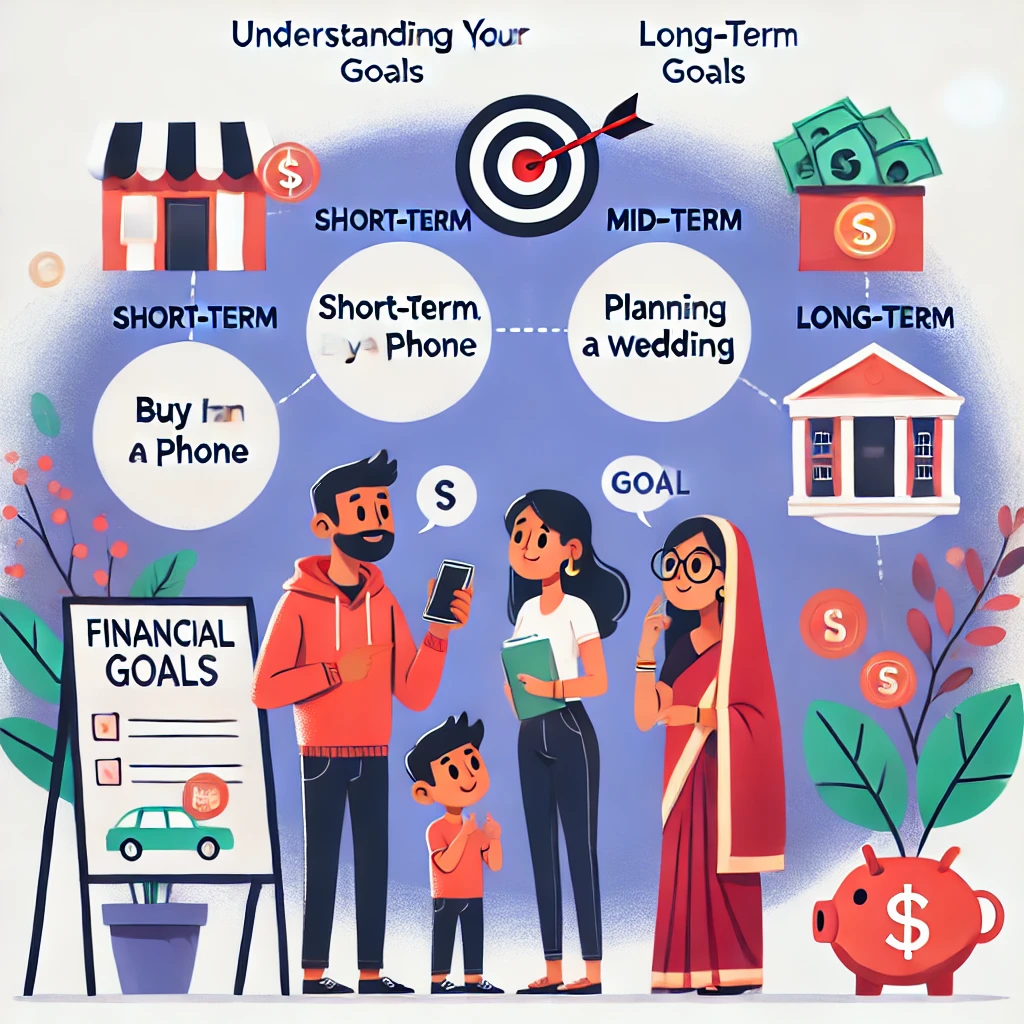
Your financial goals guide your budgeting choices. In India, goals vary by life stage, such as saving for a bike or mobile phone, paying off an education loan, planning a wedding, or saving for retirement. Define your goals as short-term (within 1 year), mid-term (1-5 years), and long-term (5+ years) objectives. Having a clear “why” keeps you motivated to stick to your budget.
Pro tip: Write your goals and keep them visible to remind yourself why budgeting matters.
Assessing Your Income Sources
List all your income sources. This includes your salary, freelancing income, interest from savings, and family support if you’re a student. Calculate your monthly net income (the amount after tax and deductions). For young adults, this might be a regular salary; for students, it might include pocket money or earnings from part-time work.
Tracking Your Spending Habits
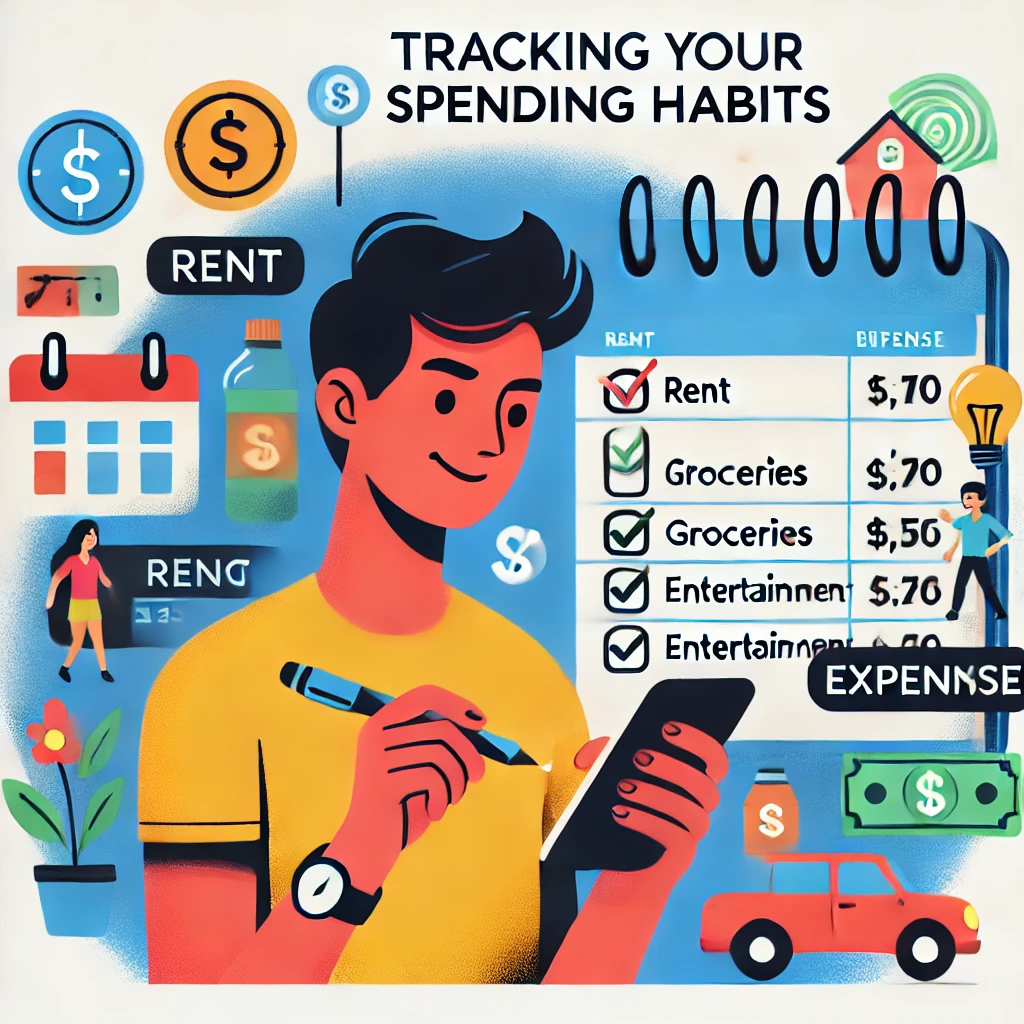
Spend a month tracking every rupee to understand your current spending patterns. Use apps like Walnut, MoneyView, or a simple spreadsheet. Categorize all expenses like groceries, rent, travel, dining, and even chai. This overview helps you understand where you’re overspending and identify potential savings.
Classifying Your Expenses
Divide your expenses into three types: Fixed, Variable, and Discretionary.
- Fixed Expenses: Essential, regular payments like rent, utility bills, and loan EMIs.
- Variable Expenses: Monthly costs that vary, such as groceries and mobile bills.
- Discretionary Expenses: Optional expenses like eating out, streaming services, or shopping.
This step clarifies where you can cut back if needed.
Creating Budget Categories
Allocate your income into categories based on priority:
- Rent and utilities
- Food and groceries
- Transport and commuting
- Education or skill-building (if applicable)
- Discretionary spending (entertainment, dining out)
- Savings and investments
This helps ensure your money is distributed purposefully.
Setting Up Emergency Savings
Life in India can bring unexpected expenses—from medical bills to sudden repairs. Aim to set aside three to six months’ worth of expenses in an emergency fund. Start small, with even ₹500 a month. This fund is strictly for emergencies, so you’re prepared for the unexpected without disrupting your budget.
Building Your Budget Plan
Now, organize your monthly budget based on your expenses and income:
- List your income and assign a portion to each category.
- Ensure your budget is balanced (income = expenses + savings).
- If expenses exceed income, adjust by reducing discretionary costs.
For example:
| Category | Budgeted Amount |
|---|---|
| Rent & Utilities | ₹10,000 |
| Groceries | ₹5,000 |
| Transport | ₹2,500 |
| Entertainment | ₹1,000 |
| Savings | ₹5,000 |
| Debt Repayment | ₹3,000 |
| Total | ₹26,500 |
Monitoring & Adjusting Your Budget
Budgets aren’t set in stone; review them monthly. If you overspend on one category, try reducing it the following month. Regularly adjusting your budget helps you stay on track, ensuring you can handle unexpected costs without financial strain.
Stay on Track for Financial Success
Building a budget is your key to financial freedom. Budgeting isn’t about restriction; it’s about empowering you to live a balanced life while securing your future. Follow these steps, keep an eye on your goals, and take charge of your finances. The best time to start budgeting is now!
Creating a budget tailored for India can help you achieve your dreams, whether it’s saving for a house, a trip, or simply having financial peace of mind. Follow this guide and see how it transforms your relationship with money.
And for more details just sign up for our newsletter